Hey there,
I'm Jonathan!
Always figuring out ways to make things intuitive and engaging for everyone involved.I'm looking for entry-level opportunities in User Experience/ Service Design, while excited to explore similar roles that bring together processes, tools, and people’s experiences in meaningful ways.
This portfolio is a work in progress, if you're curios about any project just let me know and I'm happy to share more details!
Skills
What I do

UX Research
Understanding people. I'm experienced in stakeholder interviews and workshops, journey mapping, building personas, identifying design criteria, and more.

Product Design
Building the experience. I design service blueprints and flows grounded in user insights that make complex experiences intuitive. I also build physical products through CAD and hands-on design.
Collaboration
Bringing people together. I lead collaborative workshops and co‑creation sessions that help teams think and build together. I enjoy making things run smoothly with clear project management.
Experience
Projects
Global Service Design Jams
Hackathon
Participated in hackathon-style events to develop public sector service prototypes through user-centered design and rapid iteration, completing design sprints in 48 hours.


User Experience in Research
Thesis Project
Explored motivations and friction points to improve user experience during large-scale research activities.
Gentle Dental Scanning
Case Study
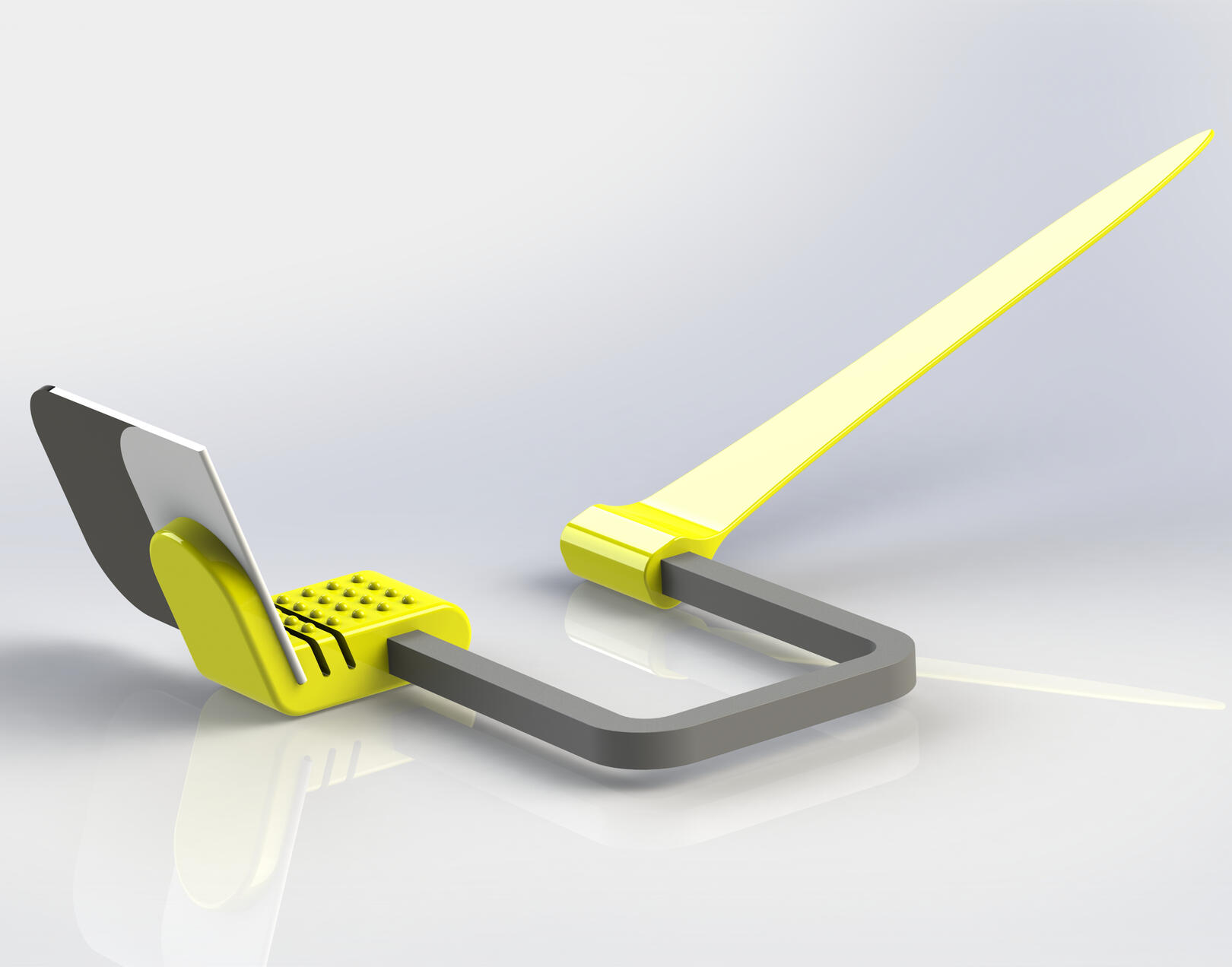
Designed an ergonomic tool concept that reduces pain and stress during dental X-rays. Conducted qualitative research to map and analyze emotional and functional needs of both patients and dentists.
Global Service Design Jams
Pressure‑cooker weekends for rapid, human‑centered innovation
Type
Globally organized hackathon
Timeframe
48 hours
March 2024 & November 2025
Tools & Methods
User Research, Ideation, Prototyping, Testing, Role-Play Demonstration

The Jam
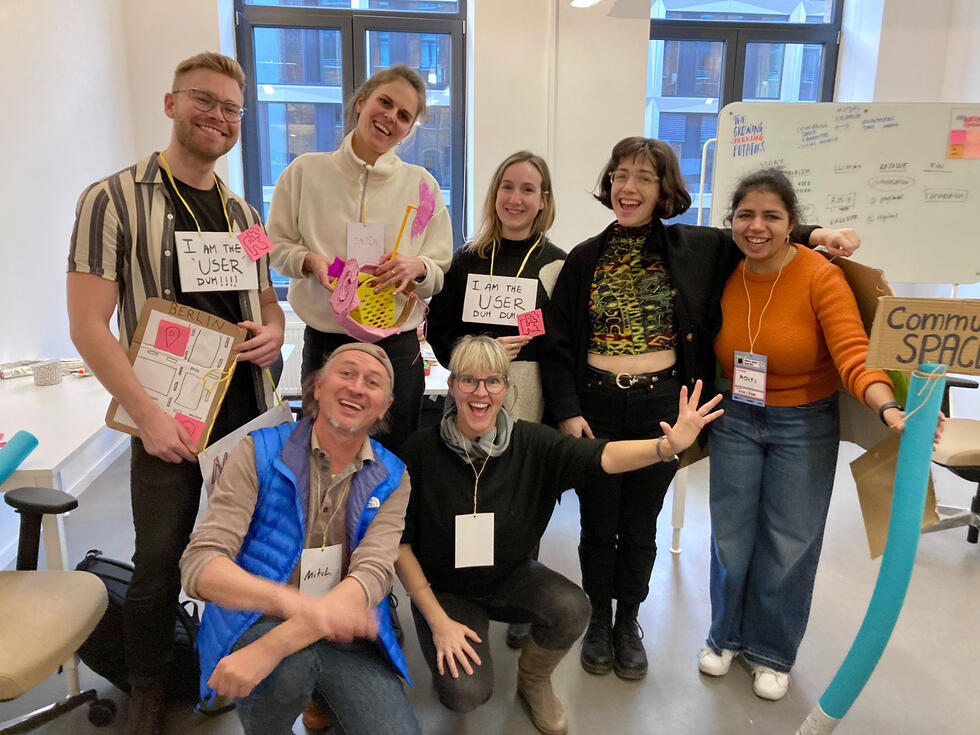
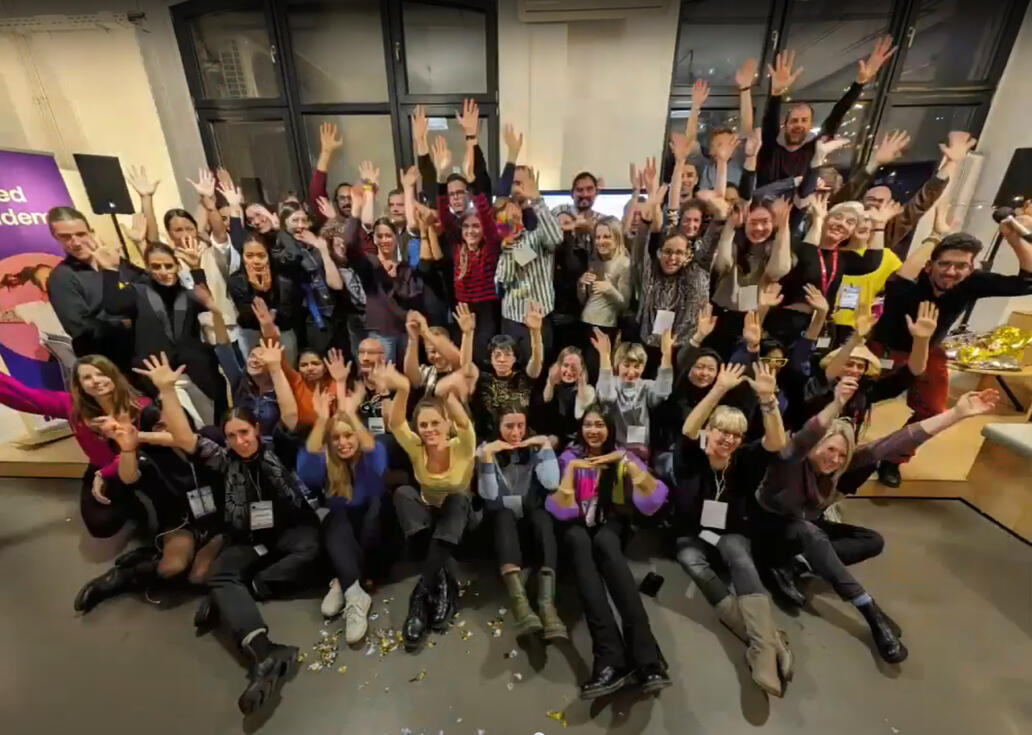
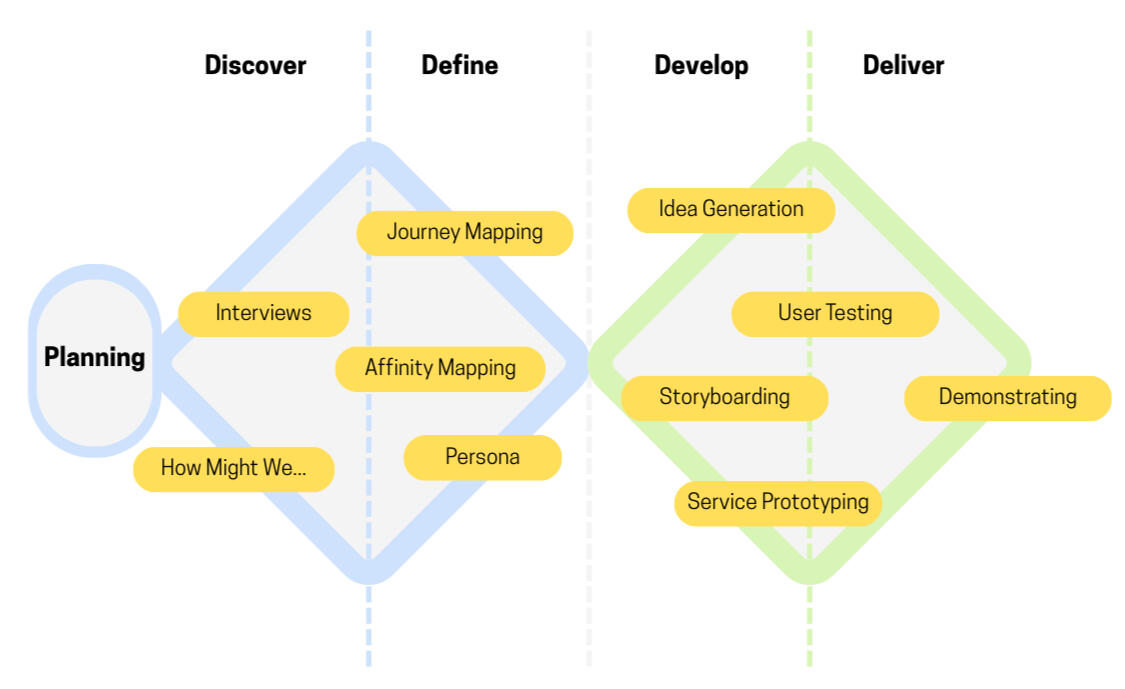
I participated in the Global Service Jam 2024 in Berlin and 2025 in London, a global 48‑hour hackathon-style event where people from all kinds of backgrounds come together to explore service design. As the organizers put it:“Imagine a Jam session in music. You come together, bringing your instruments, your skills, your open mind. Someone sets up a theme, and you start to Jam around it. You don't overanalyse it, you don't discuss it to death, you Jam. You bounce your ideas off other people, and play around with what comes back.”My first Jam was also my first full design sprint, an intense and very fun introduction to working through the entire Double Diamond in an extremely short timeframe (exciting!). Each year, I worked in a team of about six designers of various backgrounds, alongside ten groups and a dozen coaches who supported the process. Our deliverables included personas, a service pitch, prototypes, and a demonstration.Below is an overview of the process we followed in both years.
Design Challenge
2024: Utilize unused municipal spaces and properties to create places that foster community.2025: Strengthen people’s trust and confidence in safe investment and saving through a public sector service.
The Process
In both projects, our team followed a similar core process. We based our work on a Double Diamond process to structure the few hours we had. We began with research, interviewing users to define their needs, feelings, and struggles, then moved into developing and evaluating the concepts before presenting our result at the end.Along the way we used methods like idea generation, affinity mapping, “How Might We” problem mapping, guerilla interviews, journey mapping, service prototyping, user testing, supported by tools such as Post‑Its, whiteboards, role playing, and craft materials.
User Research
Discover
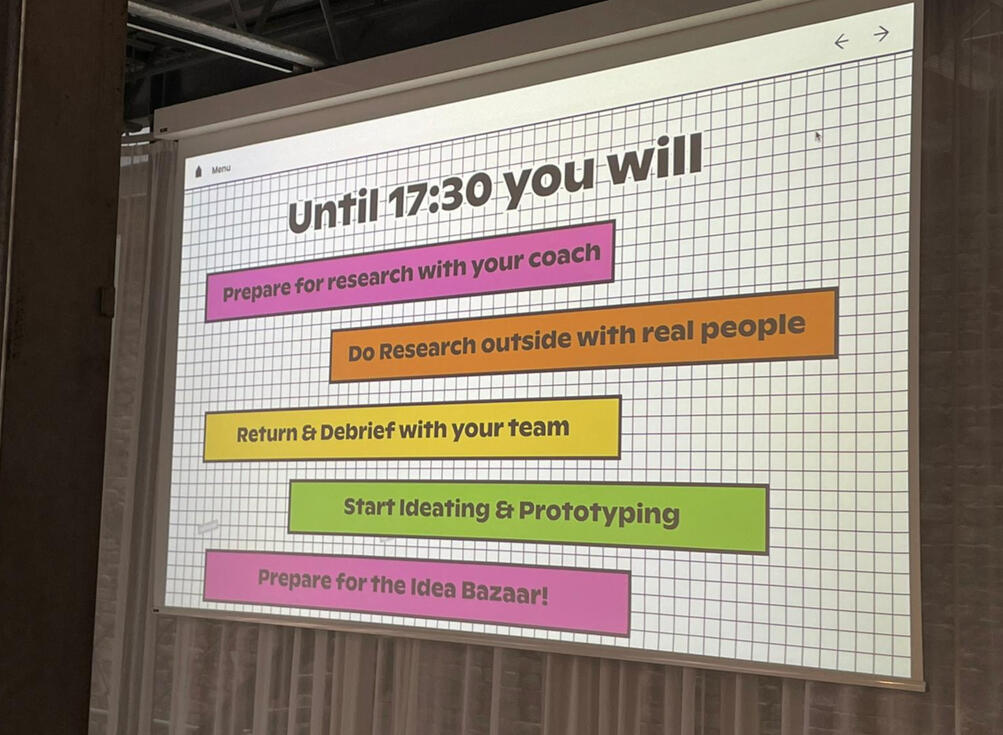
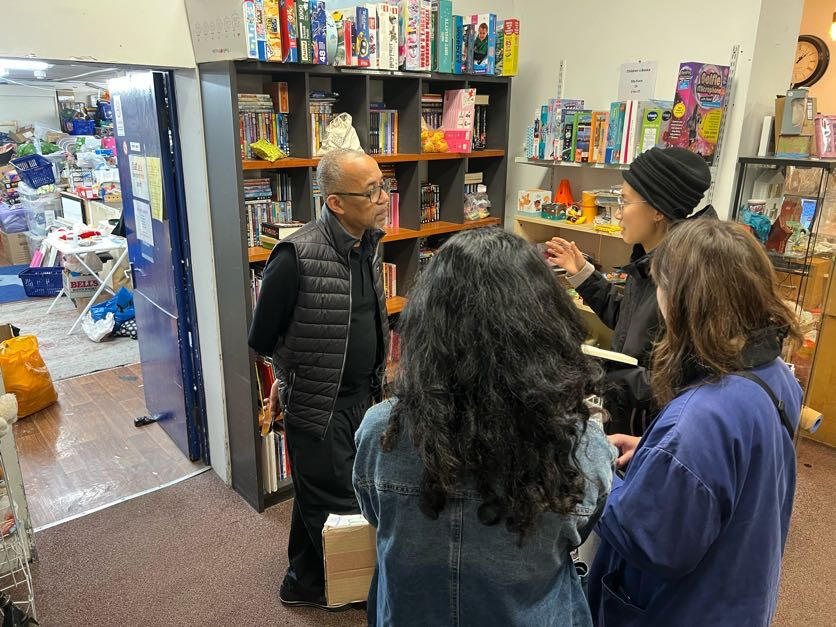
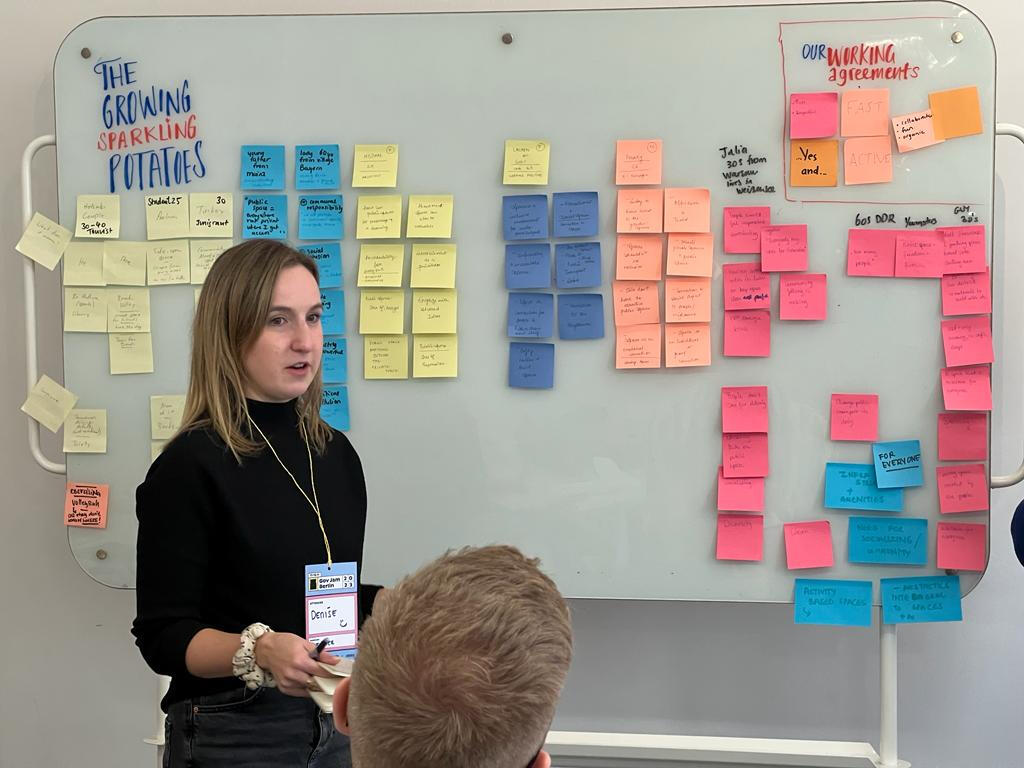
Time to get some answers!We kicked off by defining our problem area and forming an initial assumption. Based on that assumption, we created a research template outlining the things we needed to learn more about. From the template, we drafted interview questions and key topics to discuss.We then went out to find users who could help us fill in the gaps. Then we hit the streets for a one‑hour research sprint and talked to as many people as possible. Anyone who seemed relaxed, approachable, and willing to spare a few minutes. We interviewed people on the street, store managers, café staff, and restaurant workers of all ages to gather a broad and diverse set of insights.

Guerilla Interviews
Define
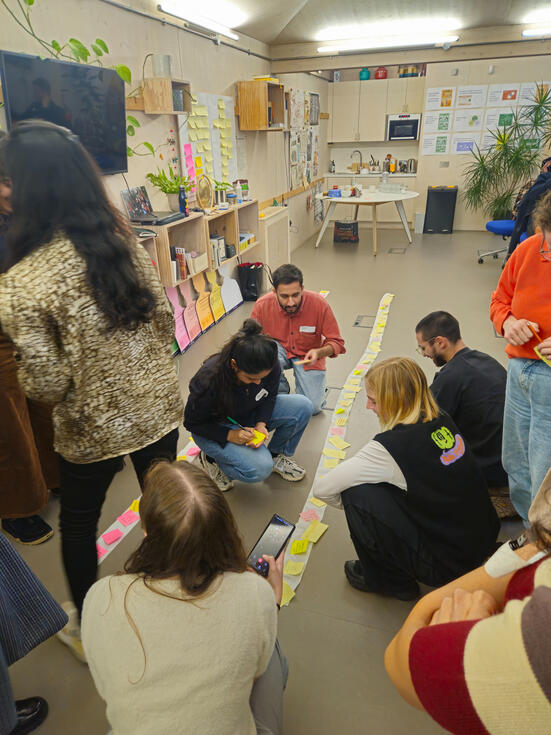
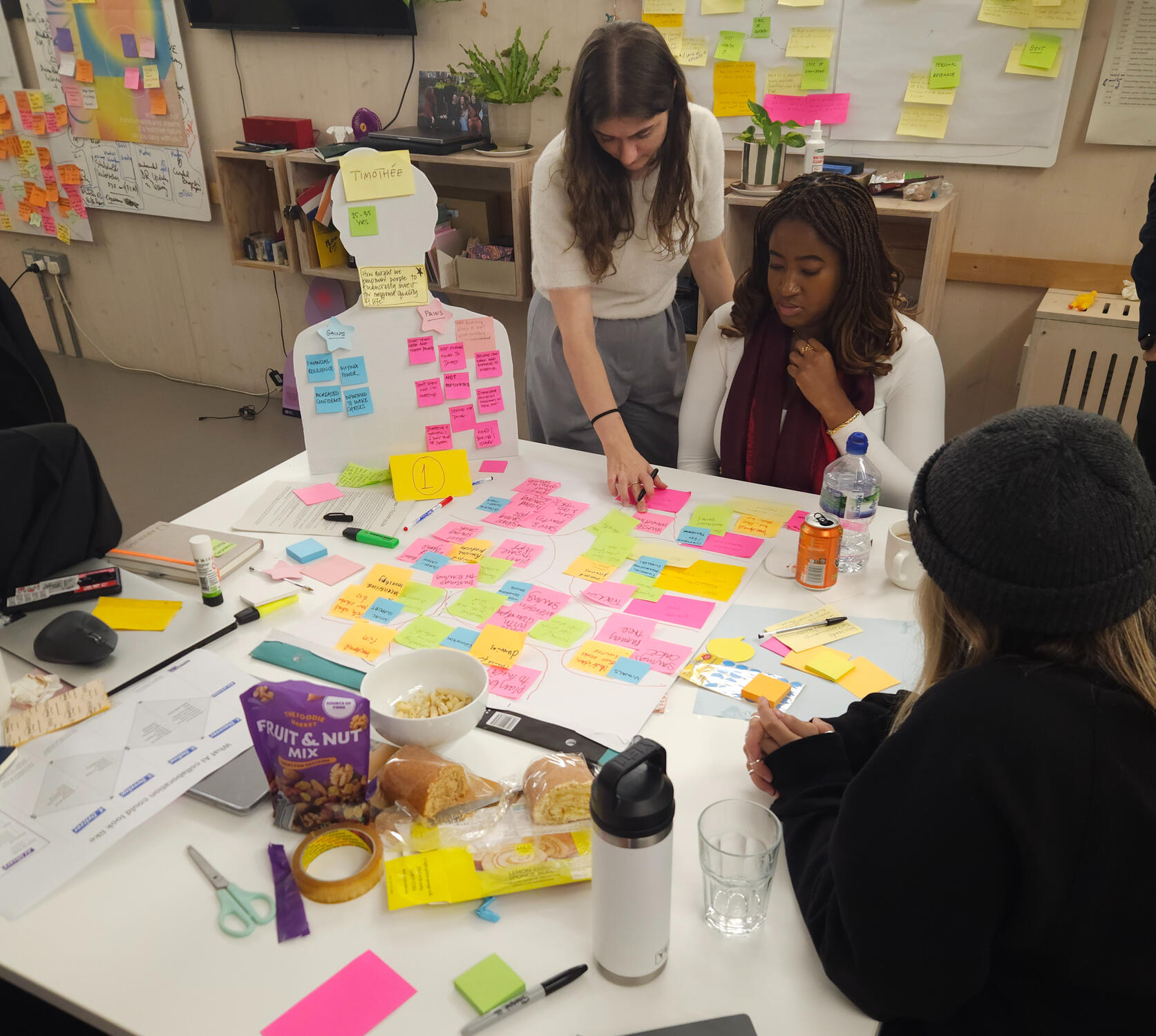
Once we had gathered our insights, it was time to make sense of everything. We started by mapping out all our data through affinity mapping to get a clear overview and spot the patterns. That structure became the foundation for building a persona, complete with pains, gains, personality traits, and the thoughts of our potential user. With that understanding in place, we narrowed down the opportunity we’d found and shaped it into a clear direction for ideation, summed up in a focused How Might We statement.

Defining the problem area
Develop
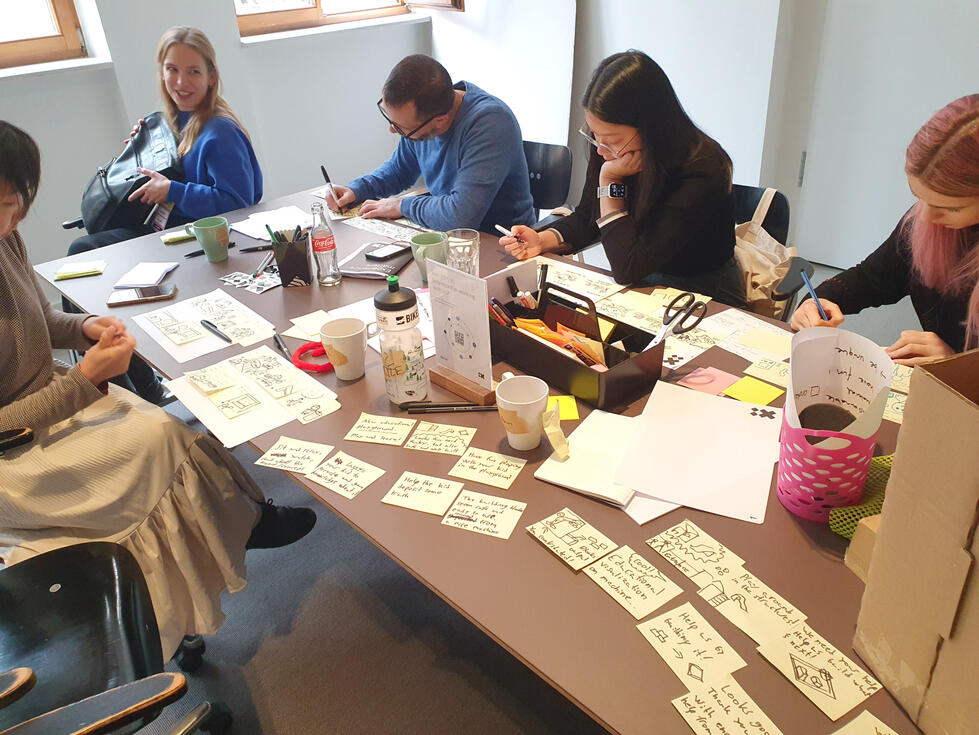
With a clear a direction, we jumped into brainstorming. We clustered similar ideas through affinity mapping and voted on the concepts worth taking further. Throughout the process, coaches dropped in to guide us, and several experts stopped by to challenge our thinking and share quick talks on relevant parts of the design process.

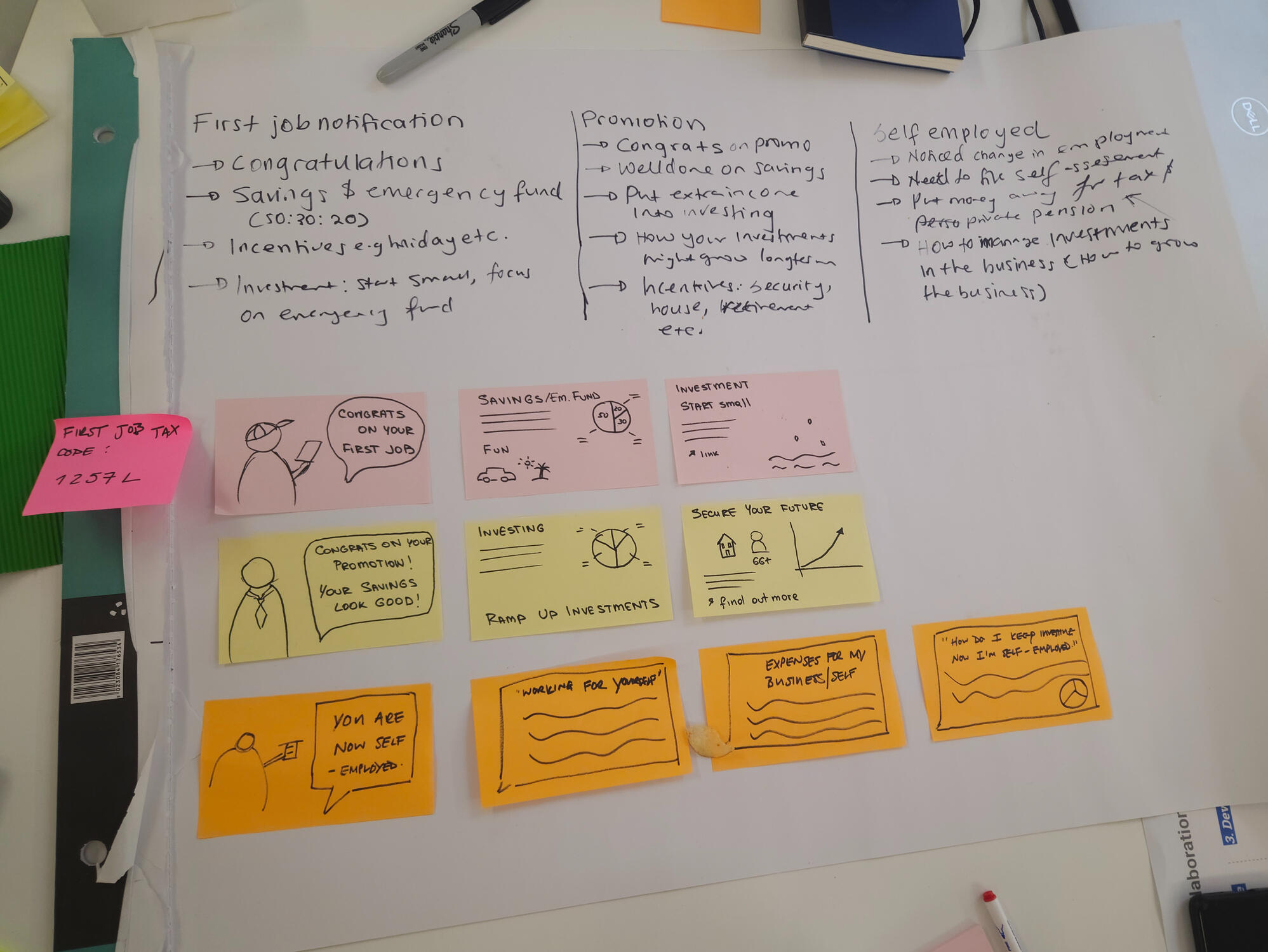
Concept Storyboard
Prototyping
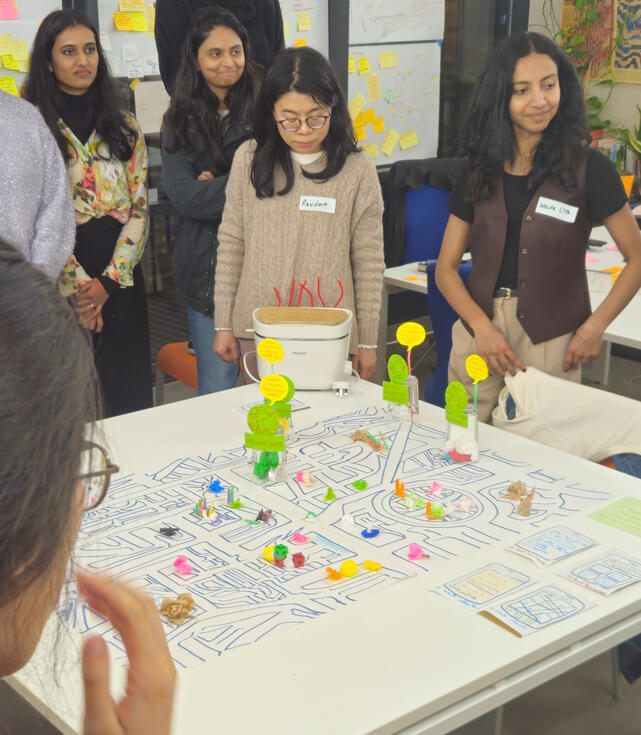
To bring our ideas to life, we storyboarded the customer journey in smaller pieces, making each step concrete. The service concept was rapidly prototyped using simple craft materials, turning the whole service experience into a role‑play complete with props and touchpoints.
Testing & Feedback
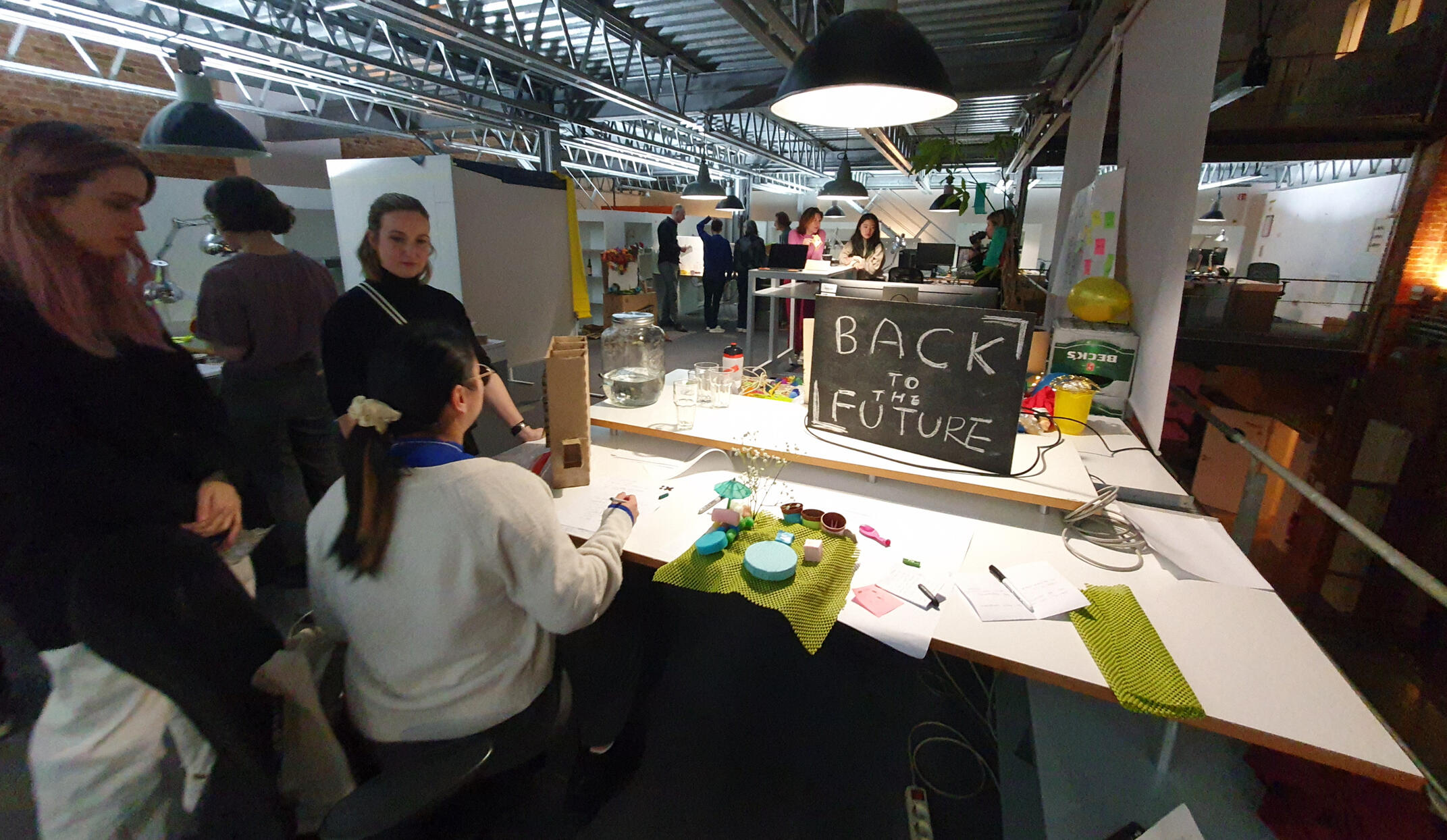
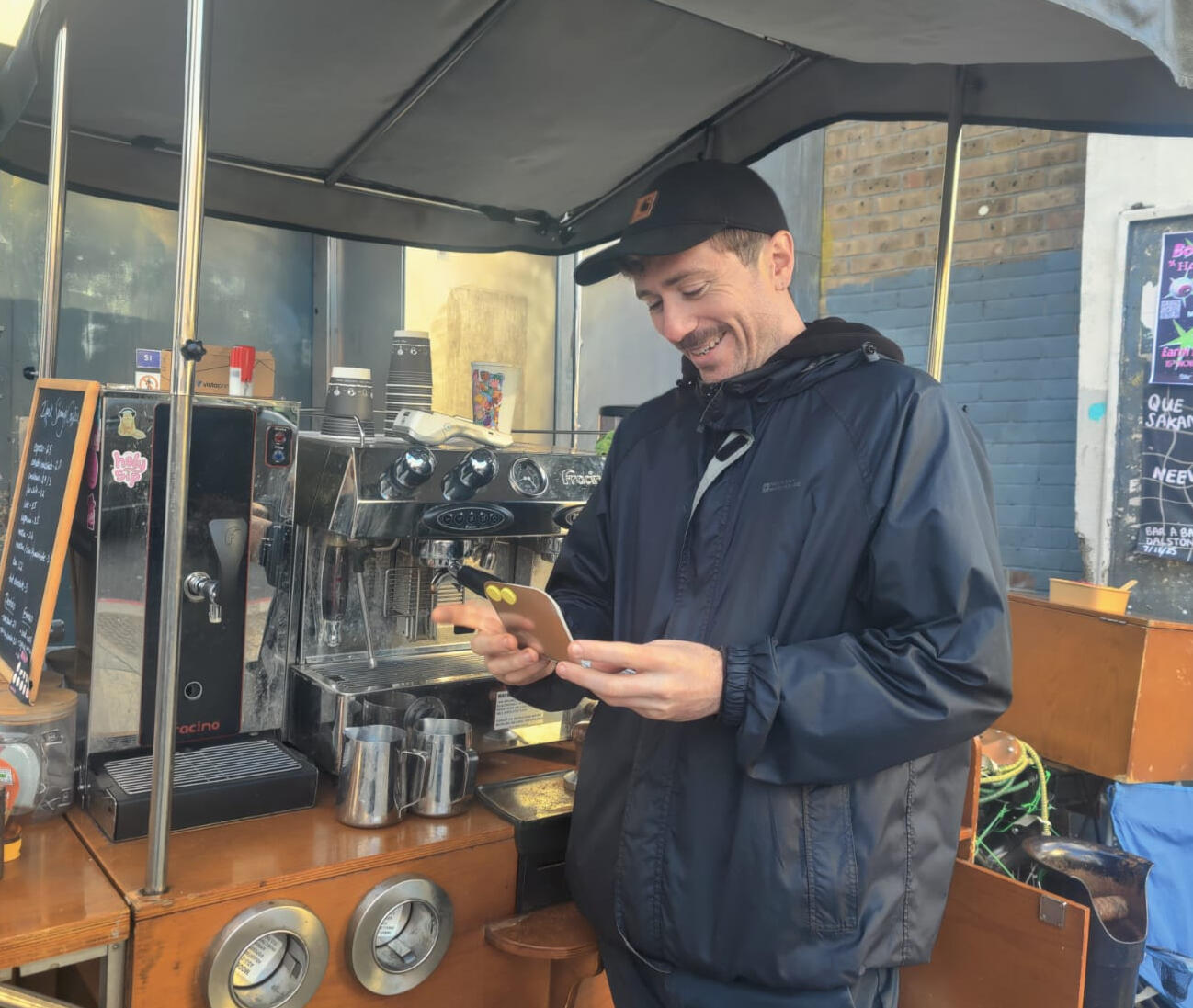
For user testing, we headed back out onto the streets to talk to people, show them our prototype, and gather their reactions. The service jam organizers hosted an “Idea Bazaar,” where every team created a small expo‑style booth so we could walk around, test and gather feedback on the designs. Coaches, organizers, and fellow jammers toured the space too, giving us even more perspectives.

Idea Bazaar

Street Testing
Iteration
Back at our table, we dug into all the feedback and started iterating. Some ideas needed more work because people didn’t fully understand them or didn’t see the value. A few concepts had to be cut entirely, and we had some lively debates about which darlings to kill as we shaped the final concept for the demonstration.

Working through feedback
Deliver
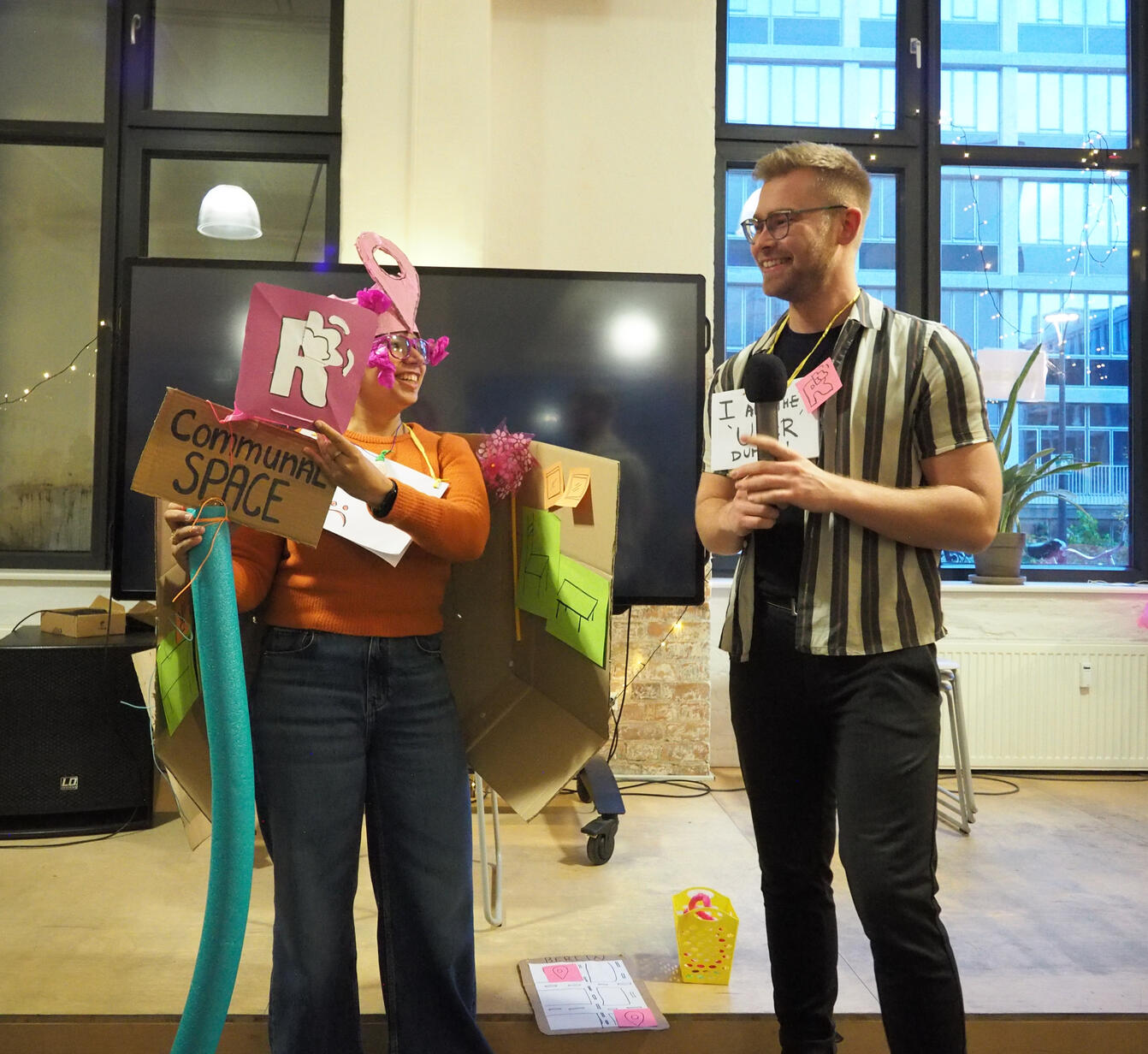
Each team presented their results to the jam in a 10-minute role-play demonstration.
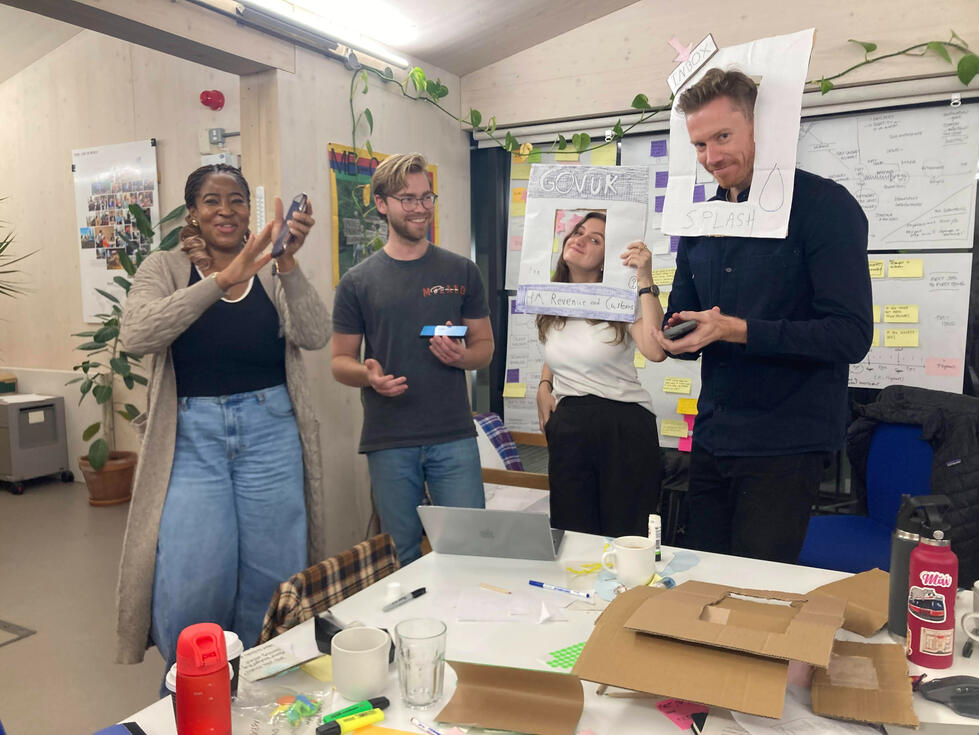
Your Splash Fund (2025)
Overview
Splash is a proactive financial‑wellbeing service concept. It explores how government‑held data could be used to support people during key life transitions, helping them build financial resilience and invest in a better quality of life.Our guiding question was: How might we empower people to financially invest for a better quality of life?

The Problem
Many people feel insecure, overwhelmed, or simply lost when it comes to personal finances. Traditional financial tools often assume prior knowledge, offer little emotional support, and fail to adapt to changes in someone’s life circumstances. This leaves people without guidance at the moments when they need it the most.
User Research
Our primary users are adults navigating major financial transitions. For example, starting a first job, experiencing income changes, or planning long‑term goals. These users may have limited financial knowledge, low confidence, or inconsistent income, but they still aspire to build a stable and fulfilling future.We found that people need:
Clear and credible information presented in plain language
Emotional reassurance, not just tools
A sense of stability during uncertain moments
Help visualising their future goals in a tangible way
Guidance that adapts to their changing circumstances
Accessibility, regardless of financial literacy level
Proactive Support at Key Life Moments
Splash aims to act less like a tool and more like a mentor. Someone who checks in, explains what’s happening, and helps users feel in control.The service activates whenever a significant change in a person’s financial situation is detected through existing government data, such as starting a new job, changing tax codes, or experiencing a drop in income. Instead of waiting for users to seek help, Splash initiates contact with timely, personalised guidance. It explains what the change means, why it matters, and what steps might be helpful. This ensures that support arrives exactly when people need it, when they don’t know what to ask for.

Clear, Accessible Guidance
Once activated, Splash provides a blend of practical information and emotional reassurance. It breaks down complex topics like payslips, budgeting, and investment basics into simple, jargon‑free explanations. The service also helps users visualise their long‑term goals such as saving for a home, a car, or major life events, while showing how their current situation affects those goals.
Adaptive Through Life’s Ups and Downs
As users’ circumstances evolve, Splash adjusts its guidance. If someone experiences a setback, such as job loss or reduced income, the service responds with updated projections, tailored budgeting tools, and reassurance that their long‑term goals are still achievable. By continuously adapting to real‑time changes, Splash helps maintain a sense of stability and trust. Users are never left guessing what to do next; the service provides a clear path forward, no matter the situation.
Rosie Spaces (2024)
Bringing Unused Public Spaces Back to Life
Rosie is a public‑sector service designed to connect unused municipal buildings with people who need space, whether for community activities, creative projects, meetings, or local initiatives. The goal is simple: repurpose public spaces in a way that strengthens community, builds shared knowledge, boosts social cohesion, and contributes to both safety and environmental well‑being.
Digital Discovery - Certified Rosie Spaces
The service works by scouting underused locations and giving them a light makeover. Once a space is ready, it receives a “Certified Rosie Space” stamp. This means the location doesn’t just exist physically, it becomes digitally searchable. The Rosie stamp gives everyone a quick sense of the space’s accessibility, condition, and readiness.
Easy Matching Between People and Places
Users can browse the app or website to find available spaces, explore their features, and match them with their needs. For users, it becomes effortless to discover a suitable place. For the municipality, it’s a way to activate dormant resources and support a more connected, vibrant community.
Highlights

Team 2025

Ideation

Prototype Testing

Team 2024

Day 2 Agenda

Storyboarding

Service Jammers